Authentication stories
Mobile verification can cut onboarding friction for banks while strengthening fraud checks and compliance as customers expect account opening in minutes.
US finance teams can now approve and pay vendor bills in one system, reducing manual handoffs and tightening audit trails for QuickBooks users.
The move could cut repeated intake forms and give US patients a single verified identity to share with providers across the care process.
Better fraud controls and AI-led invoice payments are now available to business customers as Visa expands its commercial payments tools.
The recognition underscores growing demand for customer identity tools as firms grapple with securing AI agents acting on behalf of users.
Most IT and security teams now expect public key infrastructure to need major changes as quantum-ready cryptography moves from planning to rollout.
Large print rooms could cut energy use by up to 90% as Epson targets heavy-duty offices with a new high-volume inkjet model.
The upgrade gives enterprise users a live workspace for visual tasks, cutting back-and-forth in Gemini Enterprise while keeping edits synced.
Most organisations now face employee identity attacks, with phishing and stolen credentials pushing insider risk into boardroom-level concern, a survey finds.
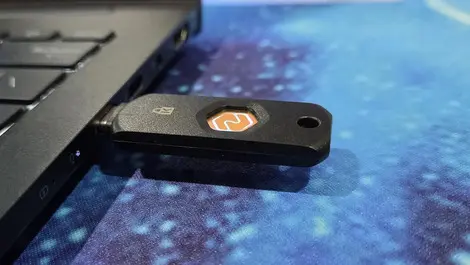
A physical passkey could spare users the hassle of passwords and authenticator apps while keeping logins secure across multiple devices.
Organisations can now limit contractors and staff to approved machines only, avoiding wider network exposure and reducing reliance on VPNs.
Nearly 30 joint customers already use the link-up, which adds continuous visibility into Wiz users, service accounts and access settings.
The tie-up has helped the travel platform improve checkout reliability and authorisation rates as its bookings expanded across more markets and currencies.
Fraud is denting confidence only slightly, with 73% of Europeans still trusting their bank to handle money securely despite growing cyber risks.
Fears over fraud are pushing Philippine mobile operators to test network-led scam detection and transaction checks with the GSMA.
Indoor coverage and user experience are set to depend more on Wi-Fi as the alliance pushes for it to be built into 6G standards from the outset.
Most IT and security leaders now expect public key infrastructure to change sharply as organisations prepare for post-quantum cryptography.
Banks face rising fraud pressure as DXC and YEO offer continuous identity checks during online sessions, beyond login, for regulated firms.
AI has made prototypes cheap, but production failures remain costly, putting a premium on experienced developers who can spot hidden risks.
Enterprises moving beyond pilot projects are pushing the FIDO Alliance to focus on interoperability and credential management at scale.