OT security stories
Attackers could exploit gaps in connected energy devices and grid links unless utilities, manufacturers and regulators improve practical resilience, experts said.
Rising attacks on connected factories are pushing regulators to require proof of security from shipment through service, Rockwell says.
Security teams can now generate deception playbooks in minutes, as AI-assisted attacks and enterprise AI systems raise the stakes for defenders.
Data centre operators are under pressure to supply their own electricity, opening the door for Honeywell to add on-site power and utilities.
The appointment comes as firms race to secure autonomous AI agents that can access systems and physical infrastructure without human oversight.
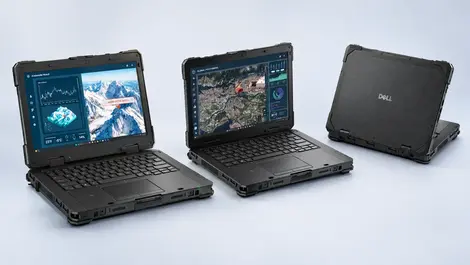
The new models aim to give utilities, emergency crews and factory teams tougher, better-connected kit for work away from the office.
Australian companies face mounting breach risks as AI-driven attacks outpace detection, exposing costly gaps in containment and recovery.
Attackers turned a newly disclosed Gitea flaw into automated intrusions within days, hitting systems in five countries and exposing source code and secrets.
Early security design can improve uptime and reveal operational data in data centres, but only if cybersecurity is built in from the start.
With exploit windows shrinking to under two days, AI could help Australian security teams decide what to patch first and cut delays.
More than a third of industrial decision-makers now see cyber risk as a top barrier to growth, a Rockwell survey found.
Critical infrastructure operators are using cellular links to secure distributed assets as outages and spoofing raise the stakes for resilience.
Incomplete asset inventories are leaving industrial operators exposed, with only 21% able to track every OT system despite 88% calling programmes mature.
Industrial control systems could be patched faster as Rockwell tests controlled access to Claude Mythos 5 to spot flaws before attackers exploit them.
Smaller operators are carrying much of the danger as a new study finds 66% of assessed US telecoms fall into an elevated risk band.
The hire is intended to strengthen local cyber capability for government and critical infrastructure customers as sovereignty concerns shape buying decisions.
The move is aimed at helping Italian startups win customers across Singapore and Southeast Asia as cyber threats escalate in the region.
A major coordinated attack on UK battery storage could cost the grid GBP £2 billion to GBP £10 billion within five years, Centrii says.
Australian utilities face sharper scrutiny as cyber incidents and supplier failures threaten outages, compliance breaches and market stability.
The reported incident has heightened fears that autonomous AI agents could probe critical systems faster than governments can contain them.